


Failure: A Powerful Learning Experience
Failure is often seen as something to avoid. A poor test score, losing a competition, or not achieving a goal can leave children feeling discouraged. However, from the perspective of Child Psychology and counselling, failure is not the opposite of success but an essential part of learning and personal growth. Every setback provides an opportunity to build resilience, confidence, and problem-solving skills.
Why Do Children Fear Failure?
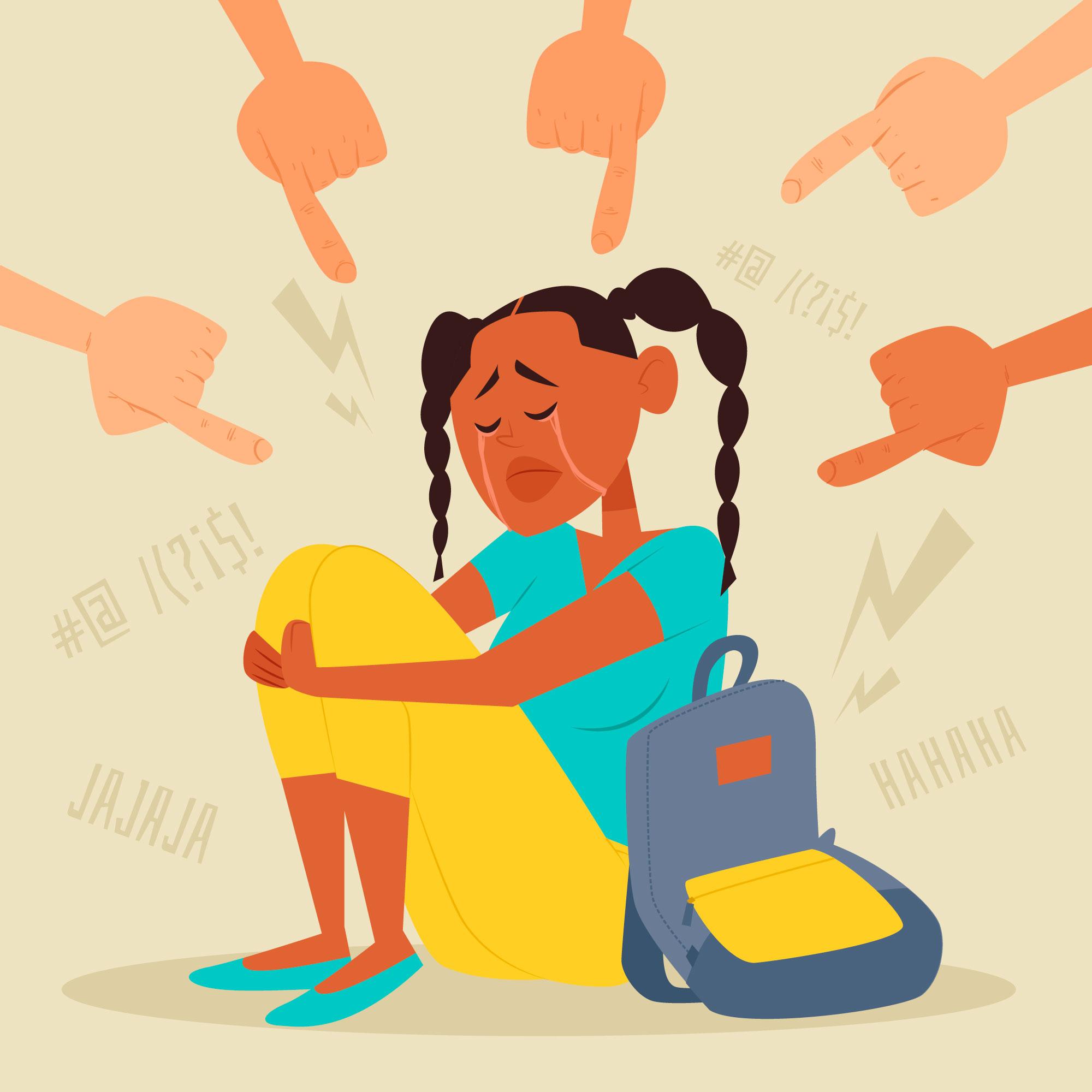
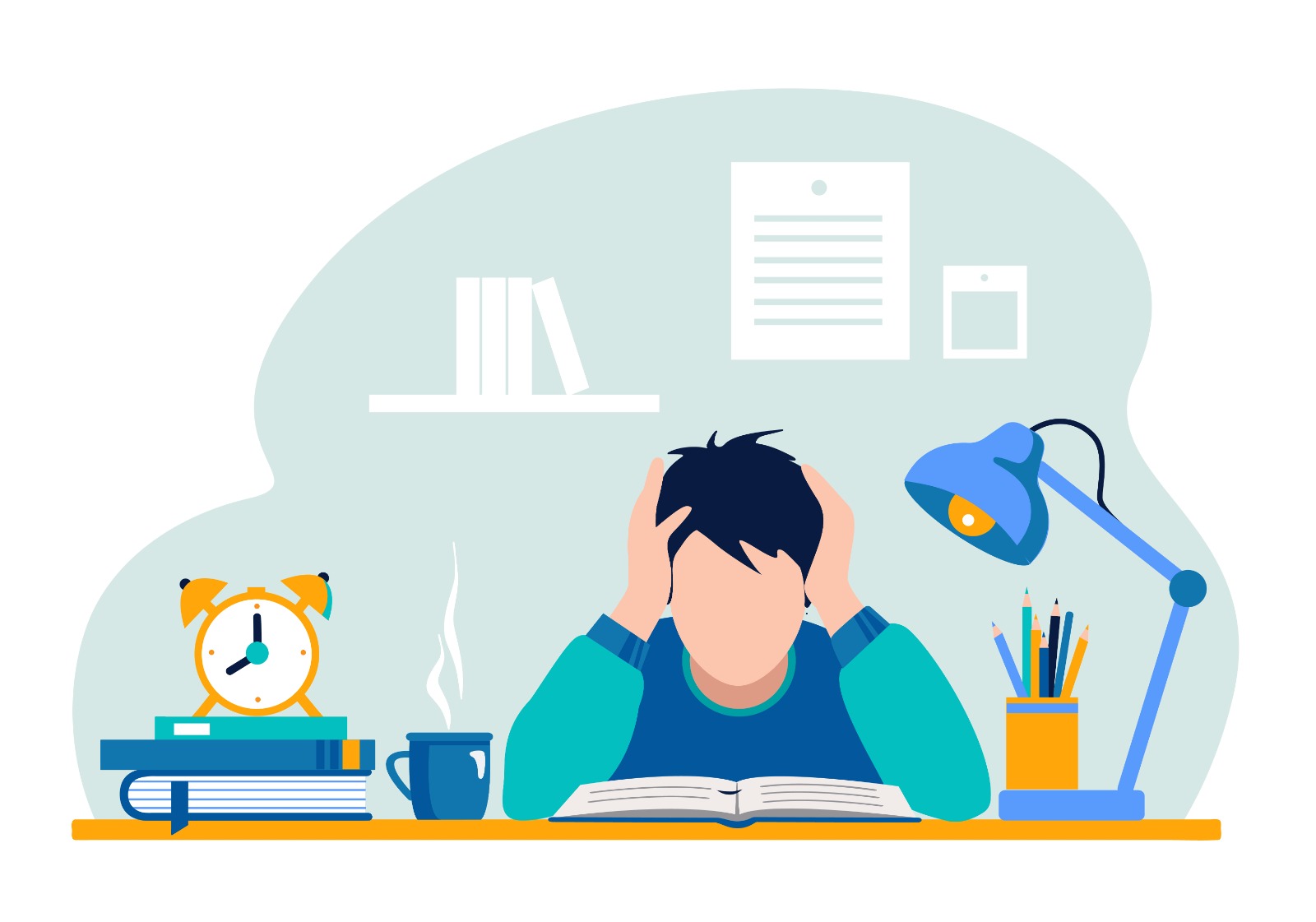
Young children naturally learn through trial and error. As they grow older, academic pressure, comparisons, and fear of judgment often make them believe mistakes are unacceptable. Instead of seeing failure as temporary, they begin to view it as a reflection of their abilities. This fear may discourage them from trying new activities, asking questions, or taking on challenges, ultimately affecting both learning and confidence.
Developing a Growth Mindset
Psychologists encourage a growth mindset, the belief that abilities improve through effort and practice. Instead of thinking, "I failed, so I am not capable," children learn to say, "I didn't succeed this time, but I can improve." This mindset keeps them motivated despite setbacks.
The Lessons Hidden in Every Setback
Every failure offers a lesson. A poor exam result may highlight the need for better planning, while losing a competition may encourage greater preparation and confidence. Such experiences teach persistence, patience, and adaptability, qualities often more valuable than immediate success.
The Role of Counselling and Positive Support
Counselling helps children reflect on setbacks, identify what they have learned, and focus on improvement rather than disappointment. Equally important is an environment where effort, curiosity, and determination are appreciated alongside achievement. When children feel valued for trying their best, they become more willing to learn, ask questions, and embrace challenges.
Learning from Those Who Never Gave Up
History is filled with people like Thomas Edison and J.K. Rowling, who succeeded after repeated failures. Their journeys show that perseverance often matters more than immediate success.
Turning Failure into Future Success
Failure is not a destination but a path to success. Children who learn to accept setbacks as opportunities develop resilience, confidence, and the courage to keep improving.



.jpg)