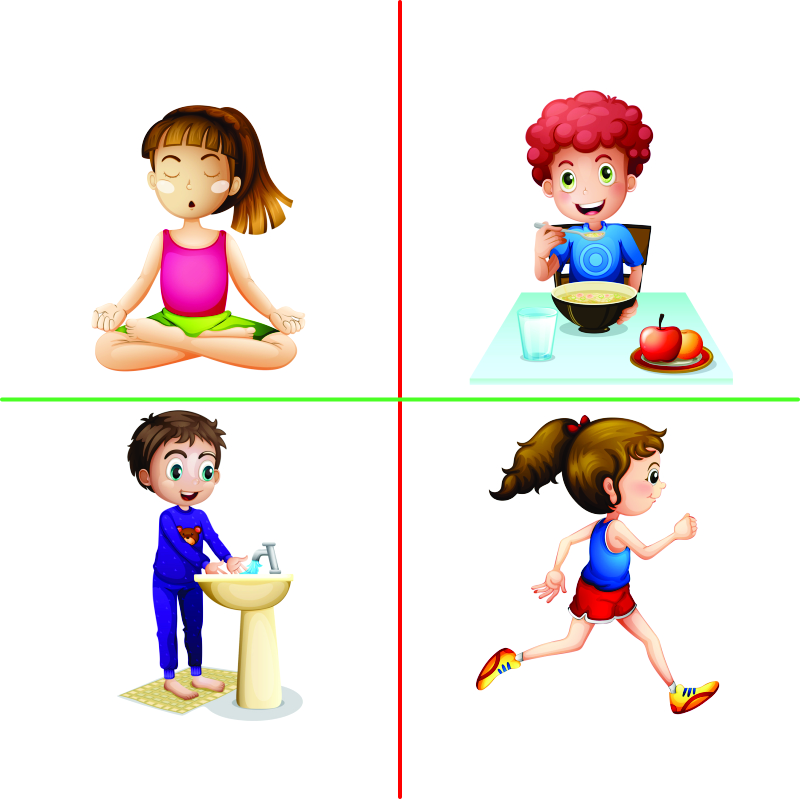



In today’s fast-moving world, students are expected to excel in academics while also managing friendships, hobbies and personal growth. True success does not come from studying all the time; it comes from maintaining balance. Homework builds discipline and knowledge, hobbies develop creativity, and social life supports emotional well-being. A balanced lifestyle helps students become healthier, happier and more confident individuals.
The new generation of students live in a highly competitive environment where academic pressure is often intense. However, modern psychology and neuroscience suggest that students perform better when their lives are balanced. Homework and school responsibilities are extremely important because they develop critical thinking, responsibility and future career skills. At the same time, students also need time for hobbies and social interaction to maintain mental and emotional health.
Hobbies such as music, sports, painting, gaming or reading help the brain relax and recharge. Scientific studies show that engaging in enjoyable activities reduces stress hormones like cortisol and increases dopamine, the chemical linked with motivation and happiness. Students who participate in hobbies often show better concentration, creativity, and problem-solving abilities in academics as well.
Social life is equally important. Human are naturally social beings, and positive friendships contribute greatly to emotional stability. According to psychological research, students with supportive social circles experience lower anxiety and depression levels. Healthy social interaction improves communication skills, confidence and emotional intelligence. Talking to friends, spending time with family, and participating in group activities create a sense of belonging that supports mental health.
Balance is the key to a meaningful life. Excessive focus on studies can lead to burnout, while ignoring academics can affect future opportunities. A balanced student learns not only from books but also from experiences, relationships and personal interests. Therefore, schools and parents should encourage students to maintain harmony between homework, hobbies and social life, helping them grow into well-rounded individuals.





.jpg "Finding The Right Balance: Homework, Hobbies, And Happiness")