



After years of watching young minds grow, one lesson stands out above all: children don’t rise from pressure—they rise from purpose. Effective study habits are not about perfection; they’re about shaping a mindset that says, “I can learn, I can try, and I can get better.”
Children learn best in places that feel calm and predictable. A simple, organized study corner can make learning feel intentional. I often tell parents, “A child’s mind settles the moment their environment does.” When the space feels right, attention naturally follows.
Build Routines That Anchor Their Day
Children thrive on rhythm. A regular study time becomes a quiet promise they keep with themselves. Short, focused sessions, paired with consistent timing—help children develop discipline without feeling overwhelmed.
Turn Learning Into an Active Experience
Real learning happens when children think, question, and explain. Invite them to tell you what they understood in their own words, sketch a quick diagram, or connect new ideas to something familiar. “If a child can express it clearly, they’ve understood it deeply.”
Divide Big Tasks Into Small Wins
Large assignments can intimidate even the brightest learners. Breaking them into smaller goals transforms stress into progress. Every completed section becomes momentum. Celebrate these steps, they matter more than we can even realize !!
Guard Their Focus from Distractions
Children don’t lose focus because they’re careless; they lose it because the world around them is loud. Help them understand that a few minutes of real concentration is worth far more than hours of scattered effort.
Teach Smart, Modern Study Strategies
Methods like spaced repetition, active recall, and working through past papers strengthen memory and confidence. These aren’t tricks, they’re tools that help children learn with clarity, not chaos.
Make Reading a Daily Ritual
A child who reads grows in ways a classroom can’t fully measure i.e. imagination, empathy, language, confidence.
Value Rest as Much as Work
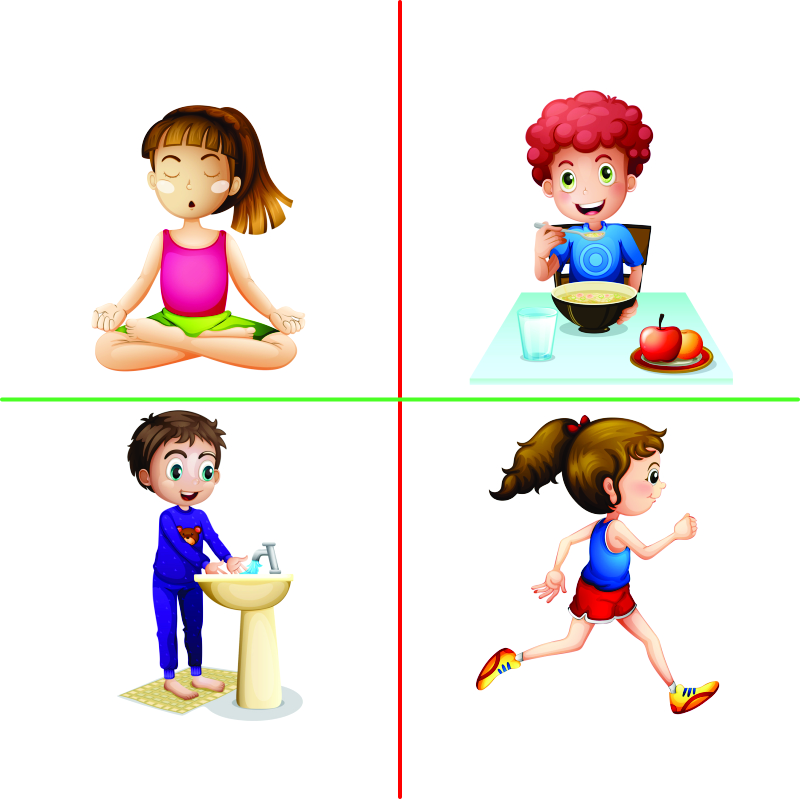
Breaks aren’t interruptions; they are investments. A rested mind absorbs more, remembers more, and enjoys learning more.
Praise the Effort You See, Not the Perfection You Expect
Children bloom under encouragement. A sincere, “I see how hard you’re trying,” gives them the courage to keep going.
Be the Example They Follow Every Day
Children mirror what they witness. “Your habits become their blueprint.” Let them see curiosity, planning, reading, and calm commitment in you.
Conclusion
Good study habits aren’t built through pressure rather they grow through consistency, warmth, and guidance. And above all, remind children gently and often:
“Learning isn’t about being the best; it’s about becoming better than yesterday.”





.jpg "Effective Study Habits For Children: A Teacher’s Guiding Light")